

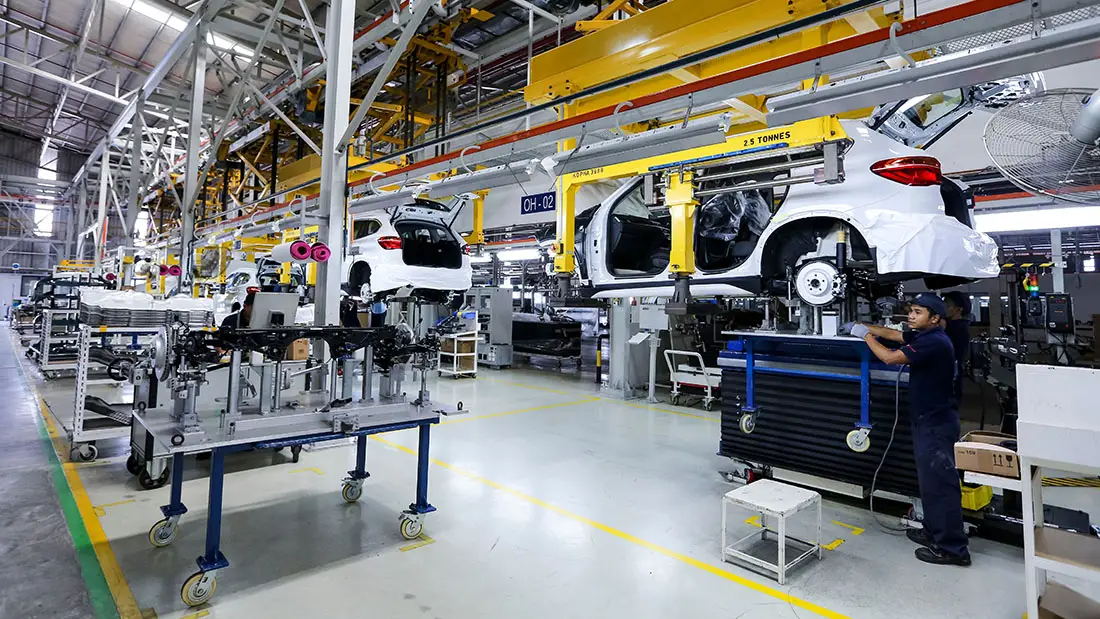
The automobile, in its many forms, is not just a means of transportation; it is a symbol of modernity, a catalyst for societal change, and a testament to human ingenuity. Over the past century, it has transformed the world in ways that few other inventions have, shaping cities, economies, and the very fabric of daily life. From the first steam-powered vehicles to today’s electric and autonomous cars, the evolution of the automobile reflects our continual quest for efficiency, comfort, and sustainability.
The Birth of the Automobile: Pioneering Beginnings
The story of the automobile begins in the late 19th century, during a time when the world was on the cusp of profound technological change. While the idea of a self-propelled vehicle had existed for centuries, it was not until 1885 that a practical version was built by German inventor Karl Benz. His creation, the Benz Patent-Motorwagen, is widely regarded as the first true automobile. Powered by a gasoline engine, the Motorwagen offered a glimpse into the future of personal transportation. Though rudimentary by today’s standards, it was revolutionary for its time and marked the dawn of a new era in human mobility.
But the journey did not end there. As the industrial revolution progressed, new materials and technologies allowed for greater innovation in automotive design. In the early 20th century, Henry Ford’s mass production techniques made automobiles more affordable and accessible to the average consumer. The introduction of the Model T in 1908 changed the automotive landscape forever. By streamlining production and reducing costs, Ford made cars accessible to the masses, democratizing mobility and fundamentally altering the way people interacted with their environment.
The Golden Age: Mid-20th Century and the Rise of the American Automobile
The mid-20th century is often referred to as the “Golden Age” of the automobile. During this period, the car became more than just a means of transportation—it became an icon of status, freedom, and innovation. The 1950s and 1960s, in particular, saw an explosion of creativity in automobile design. Manufacturers, especially in the United States, began producing cars that were as much about style as they were about function.
The post-war economic boom created a demand for cars that were not only more powerful but also more luxurious. Automakers like General Motors, Chrysler, and Ford produced vehicles with sleek designs, powerful engines, and cutting-edge features. The Corvette, Cadillac Eldorado, and Ford Mustang became symbols of American ingenuity, while European manufacturers like Mercedes-Benz and Jaguar offered a blend of elegance and performance that appealed to a more discerning clientele. The car had evolved from a utilitarian object to a statement of personal identity.
However, the allure of the automobile in the mid-20th century was not without its downsides. The rise in car ownership led to urban sprawl, pollution, and a growing dependence on oil. As the world’s energy resources began to dwindle and environmental concerns gained traction, the automobile industry found itself at a crossroads.
The Shift Towards Sustainability: The Road to Electric and Hybrid Vehicles
The late 20th century and early 21st century were marked by a growing awareness of the environmental impact of automobiles. The energy crises of the 1970s and the increasing levels of air pollution highlighted the need for more sustainable transportation solutions. The internal combustion engine, which had powered automobiles for over a century, was now under scrutiny for its contribution to global warming and the depletion of fossil fuels.
This era saw the birth of the electric vehicle (EV) as a viable alternative to the traditional gasoline-powered car. While electric cars were not new—models such as the 1828 prototype by Hungarian engineer Ányos Jedlik and the 19th-century innovations of Thomas Parker had already paved the way—modern EVs gained traction in the late 20th and early 21st centuries, with companies like Tesla leading the charge. In 2008, the launch of the Tesla Roadster marked a significant breakthrough, demonstrating that electric cars could offer both performance and sustainability. The success of Tesla, combined with growing concerns about climate change, fueled further innovation in the electric vehicle market.
The development of hybrid vehicles, such as the Toyota Prius, also played a critical role in bridging the gap between gasoline-powered and fully electric vehicles. By combining an internal combustion engine with an electric motor, hybrids offered a compromise that appealed to consumers who were not yet ready to fully embrace electric cars. The increasing range and performance of these vehicles, along with improvements in battery technology, have contributed to the broader adoption of EVs and hybrids across the globe.
The Future of the Automobile: Autonomous Cars and Beyond
Looking to the future, the automobile industry stands on the precipice of another major transformation. The next frontier in automotive innovation lies in the development of autonomous vehicles. Self-driving cars, powered by artificial intelligence and advanced sensors, promise to revolutionize the way we think about transportation. Companies like Waymo, Uber, and various automotive giants are already investing heavily in autonomous technology, which has the potential to reduce accidents, ease congestion, and transform urban landscapes.
While fully autonomous vehicles are not yet ubiquitous, advancements are happening at a rapid pace. In addition to autonomous driving, innovations in connectivity and vehicle-to-vehicle (V2V) communication are expected to improve safety and efficiency. Vehicles of the future will be able to communicate with one another and with surrounding infrastructure, creating an interconnected ecosystem that will redefine the driving experience.
Moreover, the future of the automobile will likely be closely intertwined with alternative fuel sources. Hydrogen-powered vehicles, for example, are another promising avenue for reducing our reliance on fossil fuels. While challenges remain in terms of infrastructure and cost, hydrogen fuel cells offer the potential for zero-emission vehicles that can refuel quickly, much like gasoline-powered cars. As the technology continues to mature, hydrogen-powered cars may play a significant role in the transition to a more sustainable future.
The Enduring Legacy of the Automobile
The automobile is far more than a mechanical device; it is a reflection of human progress, creativity, and adaptability. Over the course of its history, it has become deeply embedded in our culture, economy, and way of life. From its humble beginnings as a simple, motorized cart to the highly sophisticated, environmentally conscious vehicles of today, the automobile has shaped our world in ways both seen and unseen.
As we look ahead, the automobile will continue to evolve in response to changing technological, environmental, and societal needs. Whether through the widespread adoption of electric and autonomous vehicles or through the exploration of new forms of mobility, the future of the automobile promises to be just as transformative as its past. The journey of the automobile is far from over, and its next chapter may very well be the most exciting one yet.

Comments are closed.